Is It Safe to Drive with Low Tire Pressure? The Critical Risks Explained

May 18th, 2026 by


It usually happens at the most inconvenient moment: you’re merging onto Highway 52 or heading toward Wake Forest University when a small, amber horseshoe-shaped icon flickers to life on your dashboard. For many drivers in Winston-Salem, the Tire Pressure Monitoring System (TPMS) light is seen as a minor suggestion rather than a critical warning. However, driving with under-inflated tires is one of the most overlooked safety hazards on the road today. At Modern Chevrolet, we believe that understanding the ‘why’ behind this warning is the first step toward keeping your family safe. This isn’t just about a slightly bumpier ride; it is about the structural integrity of the only four components connecting your vehicle to the North Carolina pavement.

When your tires lose pressure, they lose their ability to support the weight of your vehicle properly. This leads to a cascade of mechanical and safety failures that can escalate from a minor annoyance to a catastrophic blowout in a matter of miles. In this guide, we will explore the physics of tire pressure, the hidden dangers of ‘limping’ your car to the next gas station, and why the experts at Modern Chevrolet prioritize tire health above almost any other maintenance item. Whether you are commuting through Clemmons or planning a road trip to the Blue Ridge Mountains, your safety starts with the air inside your rubber.


Understanding PSI and Your Vehicle’s Warning System


PSI, or Pounds per Square Inch, is the measurement of the air pressure inside your tires. Every vehicle has a specific ‘Goldilocks’ zone for PSI—not too high, not too low—calculated by engineers to balance load-carrying capacity, fuel efficiency, and traction. You can find this specific number on the driver’s side door jamb placard. Note that this is different from the ‘Max Pressure’ listed on the tire sidewall itself, which is the absolute limit the tire can hold, not the ideal pressure for your specific Chevy model.

Your TPMS is a silent guardian that monitors this pressure in real-time. There are two types of signals you should watch for. A steady light usually indicates that at least one tire has dropped 25% or more below the recommended PSI. A flashing light, however, often signals a malfunction in the TPMS system itself, such as a dead sensor battery. Regardless of the light’s behavior, it requires immediate attention. Ignoring a TPMS light is essentially ignoring a warning that your vehicle’s handling characteristics have been fundamentally altered.


Why the Door Jamb Matters: Many drivers mistakenly look at the tire’s sidewall for inflation instructions. The sidewall pressure is the maximum pressure the tire can safely hold at its maximum load. If you inflate to that number, you’ll likely experience a harsh ride and increased center-tread wear. The sticker inside your door frame (the placard) is the only source tailored to your vehicle’s weight distribution and suspension tuning. Following this ensures the ‘Modern Difference’ in ride quality and safety.

If you find yourself confused by the readings, you can always call us at (336) 546-5839 to speak with a technician who can guide you through your specific vehicle’s requirements.


The Three Immediate Safety Hazards of Low Pressure

Increased Braking Distances


When a tire is under-inflated, it ‘slumps,’ causing the contact patch to become irregular. This lack of structural firmness means that when you slam on the brakes, the tire treads cannot effectively grip the road. In emergency situations, even a few PSI of difference can add several car lengths to your stopping distance—the difference between a close call and a collision.


Compromised Steering


Low pressure softens the tire’s sidewalls. When you turn the steering wheel, the tire ‘rolls’ over itself rather than holding its shape. This leads to ‘sloppy’ steering response and understeer. If you have to swerve to avoid an obstacle on I-40, under-inflated tires may not respond quickly enough to keep the vehicle stable.


High-Speed Blowouts


The most dangerous risk is heat. Low pressure causes the tire to flex excessively. This friction generates intense heat within the rubber and internal steel belts. Eventually, the heat weakens the bond between the components, leading to a sudden, violent blowout. This often happens at highway speeds, where vehicle control is hardest to maintain.


Ensure Your Safety: Schedule Professional Tire Service Today


Don’t gamble with your safety on the Winston-Salem roads. If your TPMS light is on, or if your car feels ‘spongy’ in corners, let our factory-trained technicians take a look. We will inspect your tires for damage, set them to the perfect factory PSI, and ensure your sensors are working correctly.
 

The Financial Toll: Fuel Economy and Premature Wear


Driving on low tires doesn’t just threaten your safety—it attacks your wallet. When a tire is under-inflated, its ‘rolling resistance’ increases. Essentially, your engine has to work much harder to push the car forward, much like trying to ride a bicycle with flat tires. According to the Department of Energy, you can lower your gas mileage by 0.2% for every 1 PSI drop in the average pressure of all tires. Over a year of commuting in North Carolina, that adds up to significant money wasted at the pump.

Furthermore, low pressure causes the tire to wear unevenly. Because the center of the tread bows inward when the tire is soft, the outer edges (the shoulders) take the brunt of the friction. This leads to ‘shoulder wear,’ which can ruin a set of premium tires in half their expected lifespan. Instead of getting 50,000 miles out of your tires, you might find yourself needing a replacement at 20,000. If you’re worried about the cost of maintenance, you can apply for financing at Modern Chevrolet to help manage the costs of larger repairs or new tire sets.


How to Properly Check Your Tire Pressure: A Step-by-Step Guide


Checking your pressure is a simple DIY task that every Winston-Salem driver should master. Follow these steps for the most accurate results:

1. Check them ‘Cold’: Always check pressure before driving, or at least three hours after the car has been parked. Driving heats up the air inside, causing it to expand and give a falsely high reading.
2. Find Your Spec: Open your driver’s door and look for the yellow and white sticker. Note the PSI for front and rear tires (they are sometimes different!).
3. Remove the Valve Cap: Unscrew the plastic cap from the tire’s valve stem. Keep it in your pocket so you don’t lose it!
4. Engage the Gauge: Press your tire gauge firmly onto the valve stem. You might hear a brief hiss of air. The gauge will then provide a reading in PSI.
5. Adjust as Needed: If the reading is low, add air in small bursts. If it’s too high, use the small nipple on the back of the gauge to bleed off some air.
6. Repeat: Do this for all four tires and don’t forget to check the spare in your trunk!

If you find a tire is consistently losing air every week, it’s time for a professional inspection at Modern Chevrolet.


Common Causes of Pressure Loss Beyond Punctures

Valve Stem Leaks


The tiny rubber stem you use to fill the tire can degrade over time. Road salt, heat, and age can cause the rubber to crack or the internal ‘Schrader valve’ to lose its seal, leading to a slow, frustrating leak.


Wheel Rim Corrosion


In older vehicles, the aluminum or steel rim can develop oxidation or corrosion where the tire’s ‘bead’ meets the metal. This prevents a perfect airtight seal, often causing leaks that are hard to find without soapy water.


Natural Permeation


Rubber is actually slightly porous. Over time, air molecules literally squeeze through the rubber of the tire. It is perfectly normal for a healthy tire to lose about 1 to 2 PSI per month just through natural permeation.


Need New Tires? Browse Our Genuine Parts & Accessories


If your tires are worn beyond repair or simply won’t hold air, our specialists can help you find the exact OEM-recommended replacements for your vehicle. We carry top brands designed to fit your Chevy’s performance profile perfectly.
 

North Carolina Weather and Your Tires


In Winston-Salem, we experience a wide range of temperatures. As an expert in local vehicle care, we often see a surge of service visits during the first cold snap of autumn. Why? Because of basic physics: when air gets cold, it contracts. For every 10-degree drop in outside temperature, your tires can lose about 1 PSI.

A tire that was perfectly inflated during a 70-degree spring afternoon might trigger the TPMS light on a 40-degree morning. This doesn’t necessarily mean you have a leak; it just means the air inside has become denser and takes up less volume. However, you still need to top it off to maintain safety. Conversely, during our humid NC summers, your pressure will naturally rise. Regular checks are the only way to stay ahead of the ‘Modern Difference’ in seasonal driving.


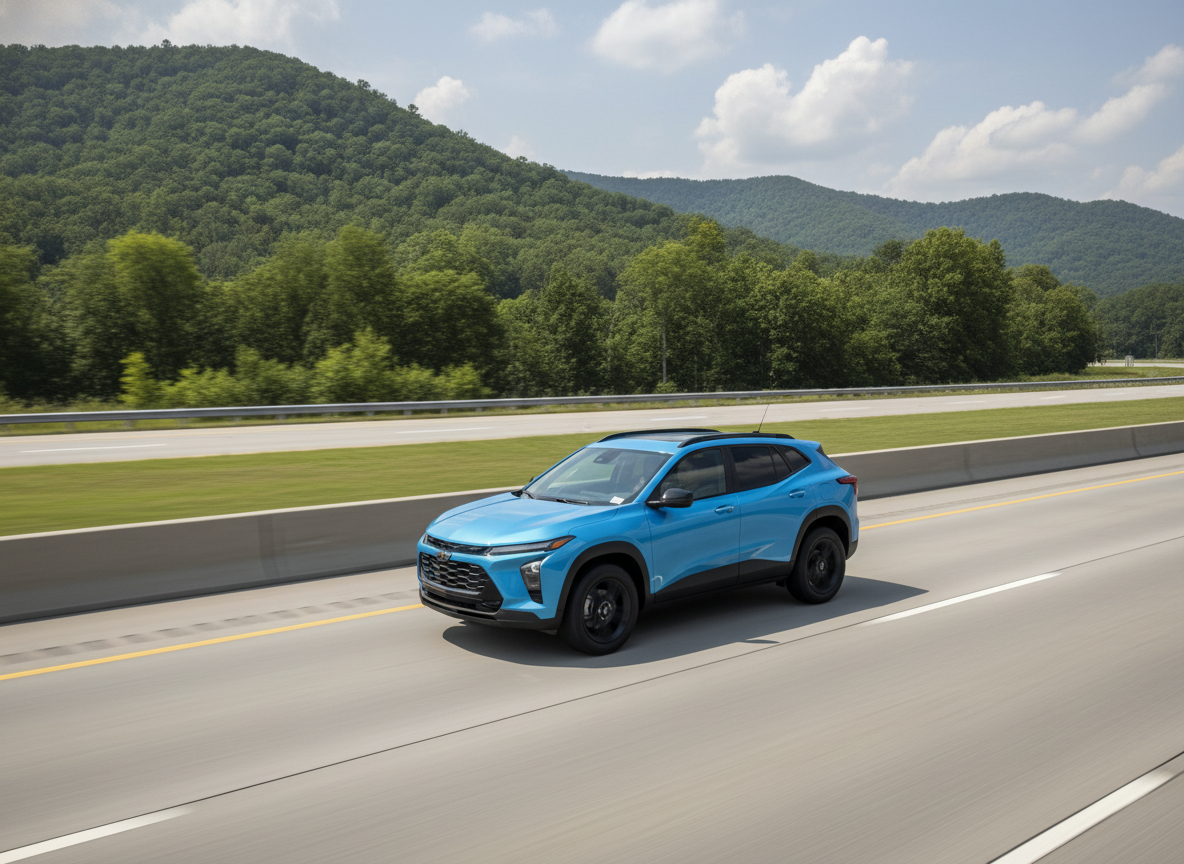
Blue Chevy Trax driving on highway, mountains in background.

Modern Chevrolet: Your Trusted Tire Experts in Winston-Salem
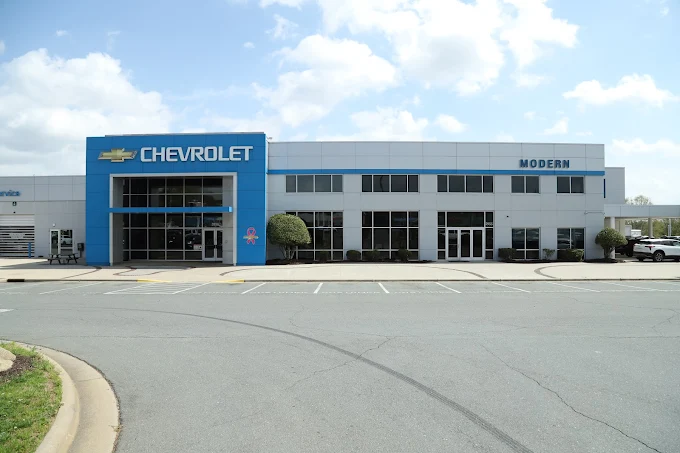
Modern Chevrolet dealership building with 'Chevrolet' and 'Modern' signage, under a partly cloudy sky.


Since 1933, the Fowler family has been dedicated to the ‘Modern Difference.’ At Modern Chevrolet, we don’t just ‘kick the tires.’ We use advanced diagnostic equipment that gas station air pumps simply don’t have. Our technicians use high-sensitivity leak detection and electronic TPMS reset tools to ensure your car’s computer and its physical tires are in perfect sync.

We proudly serve drivers from Kernersville, High Point, and Greensboro, offering a level of transparency and honesty that is rare in the automotive world. When you bring your vehicle to us, you’re not just a customer; you’re a neighbor. Our 150-point quality assurance inspections extend even to the simplest tire checks, because we know that the safety of your family depends on those four contact patches. Get directions to Modern Chevrolet today and experience our commitment to excellence firsthand.


When to Repair vs. When to Replace

The Middle-Third Rule


Punctures from nails or screws can often be repaired if they occur within the center three-quarters of the tire tread. A professional plug-and-patch combination can safely seal these holes and restore the tire’s integrity.


Sidewall Damage


If a puncture or ‘curb rash’ occurs on the sidewall or the shoulder of the tire, it CANNOT be repaired. The sidewall flexes too much for a patch to hold, making a replacement the only safe option.


Heat Discoloration


If you drive on a flat tire for even a short distance, the internal structure can shred. Look for a dark ‘ring’ or discoloration on the outer sidewall—this is a sign of internal heat damage and means the tire is junk.


Upgrade Your Ride: Explore Vehicles with Advanced Safety Tech


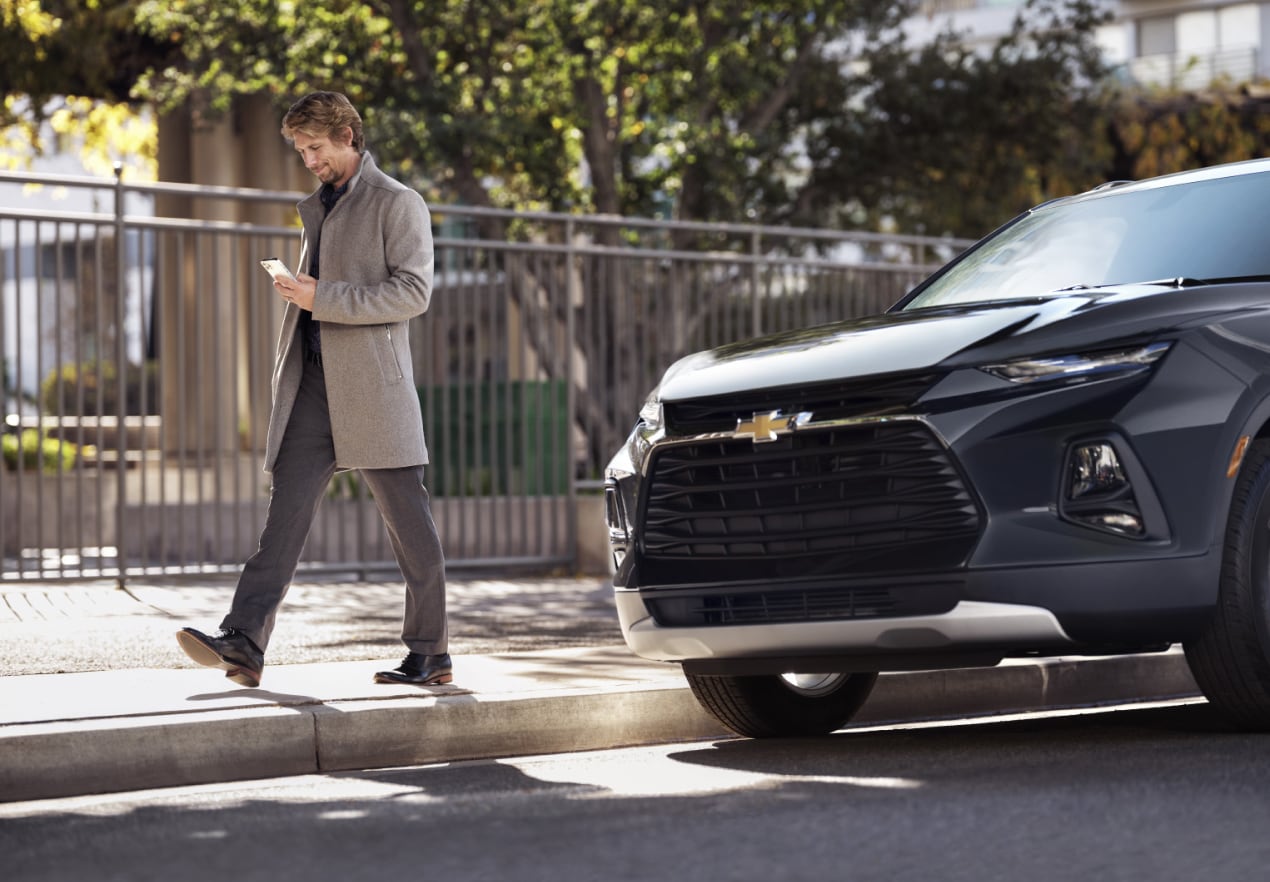
Modern Chevrolet models come equipped with Chevy Safety Assist and sophisticated real-time tire pressure displays that show you exactly how many PSI are in each individual tire. If your current vehicle is lacking these peace-of-mind features, it might be time for an upgrade.
 

Emergency Protocol: What to Do if Your Light Comes On Mid-Drive


If the TPMS light illuminates while you are driving at high speed, stay calm. Do not slam on the brakes, as this could unsettle the vehicle if a tire is significantly low. Instead, gradually reduce your speed and find a safe, level place to pull over. Once stopped, perform a visual inspection. If the tire looks visibly ‘squashed’ or is touching the rim, do not continue driving.

Most modern Chevrolets come with either a compact spare tire or a tire sealant kit. If you use a sealant kit, remember that it is a temporary fix designed only to get you to the nearest service center (like Modern Chevrolet). If you are uncomfortable changing a tire on the side of a busy Winston-Salem road, call for professional roadside assistance. Your life is worth more than the cost of a tow. If you’re ready to move on from a vehicle that frequently leaves you stranded, you can browse used vehicles for sale at Modern Chevrolet to find a reliable alternative.


Frequently Asked Questions About Tire Maintenance


Q: Can I drive 10 miles on a low tire?
A: It depends on HOW low. If it’s just a few PSI below spec, you can likely drive slowly to a service station. If the tire is visibly flat, driving even one mile can permanently destroy the tire and potentially damage your wheels and suspension.


Q: Does nitrogen help maintain pressure?
A: Yes. Nitrogen molecules are larger than oxygen molecules, so they permeate through rubber more slowly. Nitrogen also doesn’t hold moisture, which means less pressure fluctuation during North Carolina’s temperature swings. We offer nitrogen fill services right here in Winston-Salem.


Q: How often should I check my spare?
A: At every oil change. Spare tires lose pressure over time just like regular tires, and there is nothing worse than having a flat only to realize your spare is also flat.


Visit Modern Chevrolet for Expert Tire Care and Peace of Mind


At the end of the day, your tires are the foundation of your vehicle’s safety system. Don’t let a small amber light turn into a major safety event. Whether you need a quick pressure check, a puncture repair, or a completely new set of rubber, Modern Chevrolet is here to provide the expert service you deserve. Before you head out on your next journey, make sure your tires are ready for the road. If you’re thinking about a change, you can always trade-in your vehicle at Modern Chevrolet and step into a new Chevy with the latest safety technology.

Visit us at 5955 University Pkwy in Winston-Salem. Your safety is our priority, and we look forward to showing you the Modern Difference.


Posted in Chevrolet Service