
How Humidity Impacts Your Vehicle’s Longevity in Winston-Salem

May 27th, 2026 by


Living in Winston-Salem, we are no strangers to thick, heavy air. As the Spring unfolds, the rising dew points do more than just make your afternoon commute uncomfortable—they initiate a slow, invisible assault on your vehicle’s most critical components. While most drivers prepare for the obvious threats like snow, salt, or extreme heat, humidity is the ‘silent passenger’ that works around the clock to degrade everything from your undercarriage to your electronic sensors.

Modern Chevrolet emphasizes that understanding the science of moisture is vital for protecting your vehicle’s value. From new Silverados to seasoned pre-owned models, humidity remains a persistent factor in mechanical degradation. Our guide examines the relationship between atmospheric water vapor and automotive engineering, specifically for drivers in the Triad. By analyzing everything from paint integrity to hygroscopic brake fluid, we demonstrate why proactive moisture control is essential for North Carolina car owners.


The Science of Moisture and Metal


To understand humidity’s impact, we must first look at the process of oxidation. Rust isn’t just ‘dirt’ that appears on metal; it is a chemical reaction between iron, oxygen, and water. High humidity provides the perfect electrolyte for this reaction to occur at an accelerated rate. In an environment with relative humidity above 50%, the moisture in the air acts as a bridge, allowing electrons to flow more freely between oxygen molecules and the iron in your vehicle’s steel components.

This isn’t just limited to the body panels you see every day. The most significant damage often happens out of sight. Your chassis, suspension arms, and exhaust system are constantly exposed to road debris that creates tiny abrasions in protective coatings. Humidity finds these microscopic entry points, nesting in the crevices and beginning the slow march toward structural degradation.


In Winston-Salem, our humidity levels often soar well above the 70% mark, especially during the humid Spring and Summer months. This means your car is effectively sitting in a ‘chemical bath’ for hours on end. Unlike a rainstorm that eventually dries, high humidity keeps the metal surfaces damp for extended periods, preventing the metal from ever fully ‘breathing.’

Modern vehicles use galvanization and advanced alloys to fight this, but no car is completely immune. The suspension components, which rely on precise tolerances and movement, can become seized over time due to surface oxidation. This leads to a rougher ride, decreased handling performance, and eventually, costly repairs that could have been mitigated with proper moisture control and regular underbody cleanings at a parts center at Modern Chevrolet.


Exterior Vulnerabilities: Paint and Finish
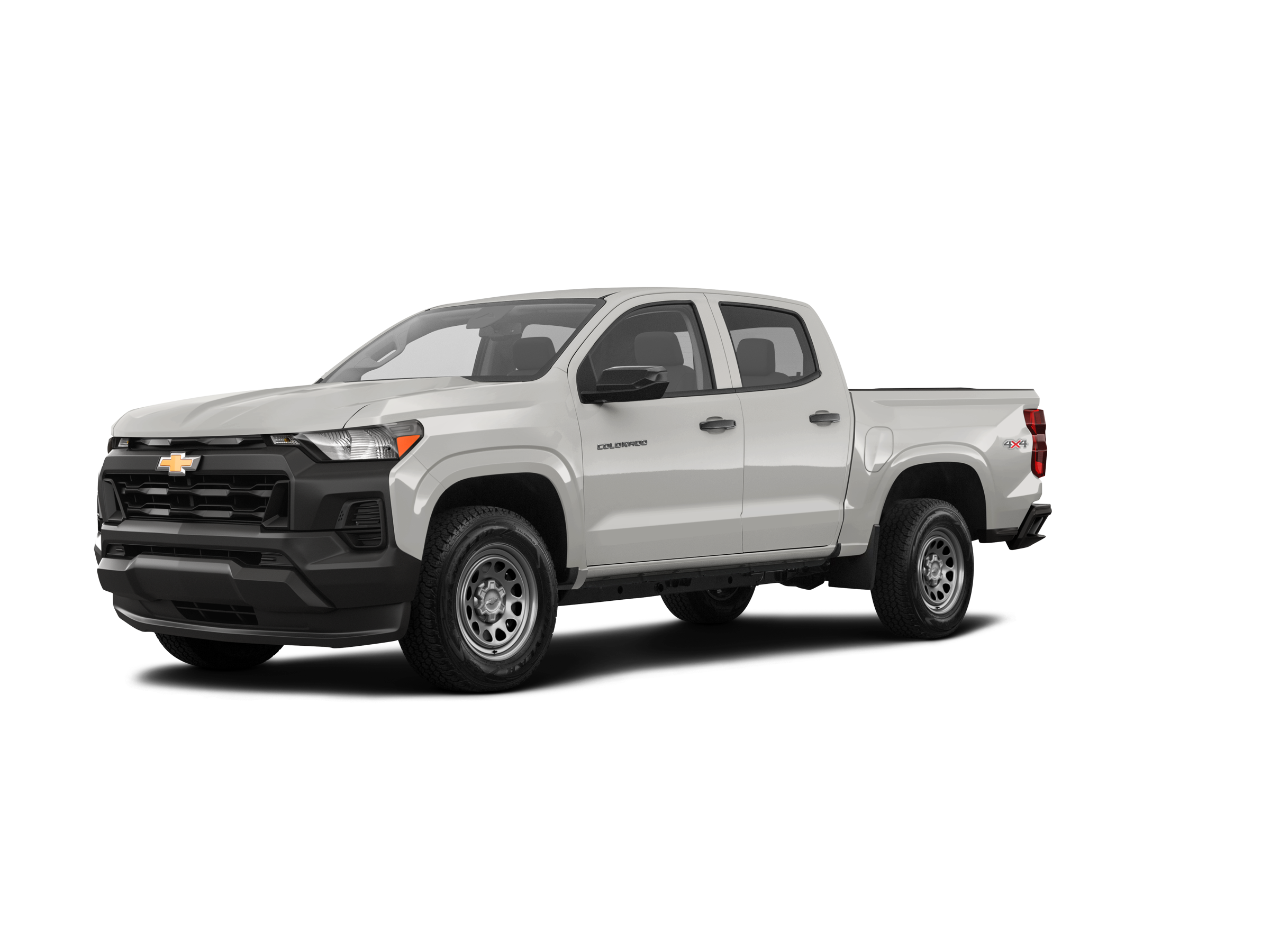
 

Clear Coat Blistering: When moisture becomes trapped between the base coat and the clear coat, it can cause osmotic blistering. This appears as tiny bubbles on the surface that eventually pop and peel, leaving the paint underneath exposed to the elements.


2026 Chevrolet Colorado WT


Trapped Debris: Humidity makes dust and pollen ‘sticky.’ This grime clings to your car’s finish and holds moisture against the paint. Over time, this mixture can become acidic, eating away at the protective wax layer and dulling the shine.


The long-term effects of humidity on your vehicle’s exterior go beyond mere aesthetics. Once the clear coat is compromised, the base paint is highly susceptible to UV damage and further oxidation. If you notice any roughness or dull spots on your vehicle, it may be time to consider a professional detail or a protective ceramic coating.


Interior Hazards: Mold, Mildew, and Odors


The cabin of your vehicle is a semi-sealed environment, which makes it a prime breeding ground for biological growth when humidity levels are high. When you step into your car on a humid day, you might notice a musty or ‘damp’ smell. This isn’t just an annoyance; it’s often the sign of mold and mildew spores developing in the seat foam, carpets, and air vents.

Microscopic spores thrive in dark, damp spaces. Once they take root in your upholstery, they can be incredibly difficult to remove, potentially causing allergic reactions or respiratory issues for passengers. Furthermore, humidity can cause leather to swell and eventually crack as it dries out unevenly, and it can cause headliners to sag as the adhesive degrades in the moist environment.


To prevent this, it is essential to ensure your vehicle’s weather stripping is intact and that you are utilizing your air conditioning system properly (which acts as a dehumidifier). If your interior has already fallen victim to that ‘humid smell,’ professional detailing and ozone treatments are often necessary to fully sanitize the cabin.

If you’re concerned about the air quality inside your vehicle, don’t wait for the problem to worsen. You should schedule vehicle service at Modern Chevrolet to have your cabin air filter replaced and your interior inspected for moisture leaks.


Electrical Systems and Sensor Interference


Today’s cars are essentially rolling computers. From the Engine Control Module (ECM) to the various sensors that manage your safety systems (like blind-spot monitoring and adaptive cruise control), everything relies on clean, low-resistance electrical connections. Humidity is the enemy of electrical continuity. High moisture content can lead to terminal corrosion within connectors, creating ‘phantom’ electrical issues that are often difficult to diagnose.

When moisture enters a connector, it can cause ‘bridging,’ where electricity jumps between pins, or it can create a layer of oxidation that increases resistance. This often results in erratic sensor readings, flickering dashboard lights, or even a vehicle that fails to start on a particularly damp morning. In Winston-Salem, the combination of high humidity and pollen can create a conductive ‘gunk’ that accumulates on battery terminals and exposed wiring harnesses. Regular inspections by certified technicians are vital to ensure these connections remain dry and protected with dielectric grease.


Brake System Safety: The Hygroscopic Reality


One of the most dangerous effects of humidity is one you can’t see without a laboratory test. Most brake fluids (DOT 3, DOT 4, and DOT 5.1) are hygroscopic, meaning they actively absorb moisture from the atmosphere. Even in a closed system, microscopic amounts of water vapor permeate through the rubber hoses and seals over time. In a high-humidity environment like North Carolina, this process happens much faster than in dryer climates.

Why does this matter? Water has a much lower boiling point than brake fluid. When you apply your brakes, the friction generates heat. If your brake fluid is contaminated with water, that water can turn into steam inside your brake lines. Since gas is compressible and liquid is not, this leads to a ‘spongy’ brake pedal or, in extreme cases, total brake failure during heavy braking. This is why we recommend a brake fluid flush every two years, regardless of mileage.


Additionally, moisture in the brake fluid can cause internal corrosion of the ABS modulator, master cylinder, and brake calipers. These components are expensive to replace and critical for your safety. At Modern Chevrolet, our technicians use specialized tools to measure the moisture content of your brake fluid during every multi-point inspection.

Don’t compromise on safety. If your brakes feel soft or if it’s been over 24 months since your last flush, it’s time for a checkup. You can schedule vehicle service at Modern Chevrolet today to ensure your stopping power remains consistent.


Engine Performance and Air Density


Combustion Physics: Your engine needs oxygen to burn fuel. Humid air is actually less dense than dry air because water vapor molecules displace oxygen molecules. This means your engine has to work harder to produce the same amount of power.


Fuel Efficiency: Because the air-to-fuel ratio is affected by humidity, your vehicle’s ECU may adjust timing and fuel delivery to compensate. On very humid days, you might notice a slight dip in your MPG as the system optimizes for the thinner oxygen content.


Cooling Efficiency: Humid air is less efficient at carrying heat away from your radiator. While your cooling system is designed to handle this, high humidity combined with high temperatures puts maximum stress on your water pump and fan.


The Role of the A/C System in Humidity Control


Most people think of their vehicle’s Air Conditioning system purely as a way to stay cool. However, its primary function in a climate like Winston-Salem is to act as a dehumidifier. As warm, moist air passes over the cold evaporator coils, the water vapor condenses into liquid water and is channeled out of the vehicle through a drain tube. This is why you see a puddle of water under your car after parking on a hot day—that’s the humidity being removed from your cabin!

If your A/C system is underperforming, it’s not just your comfort at stake. A failing A/C allows humidity to remain high inside the cabin, leading to the mold and electrical issues mentioned earlier. Furthermore, if the A/C drain tube becomes clogged with North Carolina pollen or debris, that water can back up and spill into your passenger footwell, soaking the carpet and creating a major mold hazard. Keeping your A/C system charged and clear is vital for driving comfort.


Protecting Your Investment: Proactive Measures


Controlled Storage: Whenever possible, park in a garage. If your garage is also humid, consider using a dehumidifier to keep the ambient moisture levels below 50%.


Moisture Absorbers: Use desiccant packs or moisture-absorbing canisters under the seats. These can pull several ounces of water out of the cabin air every week.


Frequent Washing: Wash your car regularly to remove pollen and dust that trap moisture against the paint. Ensure you dry the door jambs and trunk sills where water tends to sit.


The Impact on Trade-In and Resale Value


When it comes time to move on to your next vehicle, the history of how you managed humidity will play a direct role in your car’s valuation. Appraisers look for ‘lot rot’—telltale signs of moisture damage like rusted frame rails, cloudy headlight lenses, and interior odors. A vehicle that has been well-protected from the NC humidity will always command a higher price on the market.

At Modern Chevrolet, we pride ourselves on transparency. When you bring your vehicle to us, we use real-time market data to ensure you get a fair price. If you’ve taken good care of your car, it will show in the valuation. You can easily trade-in your vehicle at Modern Chevrolet using our online tool to see what your car is worth today. Whether you’re looking for a Gold, Silver, or Bronze SmartBuy Pre-owned vehicle, we make the process risk-free and straightforward.


Professional Protective Coatings

 

For those who want the ultimate defense against North Carolina’s heavy air, professional protective coatings are the answer. Unlike traditional waxes that only last a few months, modern ceramic coatings create a semi-permanent chemical bond with your vehicle’s paint. This creates a hydrophobic surface—meaning water and moisture literally bead up and roll off before they can cause damage.

Undercoating services are another critical defense, especially for truck and SUV owners who may venture off-road or drive in varied conditions. These coatings provide a thick, rubberized, or wax-based barrier for the frame and floorboards, sealing out humidity and preventing the oxidation process before it can even begin.


2026 Chevrolet Traverse LT


Our parts center at Modern Chevrolet offers a wide range of specialized accessories and coatings to keep your vehicle looking and performing like new. From high-grade waxes to professional-grade underbody protection, we have the tools to help you fight back against the elements.


The Humidity Maintenance Checklist


1. Inspect Seals: Check the rubber weatherstripping around doors, windows, and the sunroof. If they feel brittle or have cracks, moisture can seep into the cabin.


2. Fluid Clarity: Check your brake fluid reservoir. If the fluid looks dark or ‘milky,’ it has likely absorbed significant moisture and needs to be flushed.


3. Cabin Filter: Replace your cabin air filter every 12,000 miles. A damp, dirty filter is a primary source of mold and odors inside your car.


When to Visit Modern Chevrolet for Inspection
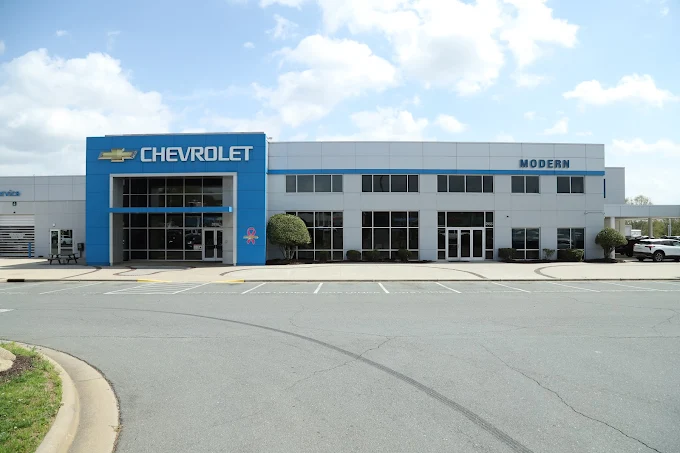
Modern Chevrolet car dealership building exterior with a blue and white facade under a blue sky.


Not all humidity damage is obvious to the untrained eye. If you experience any of the following, it is time for a professional diagnostic at Modern Chevrolet:

• Recurring musty odors that don’t go away with cleaning.
• Condensation forming on the *inside* of your windows or headlights.
• Spongy or inconsistent brake pedal feel.
• ‘Check Engine’ or other warning lights that appear during humid weather.
• Visible rust or ‘bubbling’ on paint or underbody components.

Our team in Winston-Salem is equipped with the latest diagnostic tools to identify moisture-related issues before they become catastrophic failures. Remember, preventative care is always more affordable than major repairs. Call us at (336) 546-5839 to speak with a service advisor.


Long-Term Reliability Starts with Awareness


Owning a vehicle in Winston-Salem means accepting that humidity is part of the landscape. However, it doesn’t have to dictate the lifespan of your car. By being proactive with your maintenance, utilizing protective coatings, and staying aware of the subtle signs of moisture damage, you can ensure your Chevrolet—or any vehicle you drive—remains reliable for years to come.

The ‘Modern Difference’ isn’t just about selling cars; it’s about being a trusted resource for our community. We want you to feel confident every time you get behind the wheel, knowing that your vehicle is prepared for whatever the North Carolina weather throws its way. Whether you need to apply for financing at Modern Chevrolet for a newer, more weather-resistant model or simply need a routine check-up, we are here to help.


Schedule Your Humidity Health Check Today


Don’t let the Winston-Salem humidity take a toll on your vehicle. Visit Modern Chevrolet for a comprehensive multi-point inspection. We’ll check your seals, test your brake fluid, and ensure your A/C is ready to keep you dry and comfortable all season long. Experience the honest pricing and straightforward service that has made us a Triad staple for nearly a century.


Posted in Chevrolet Service